The work in brief
Overview
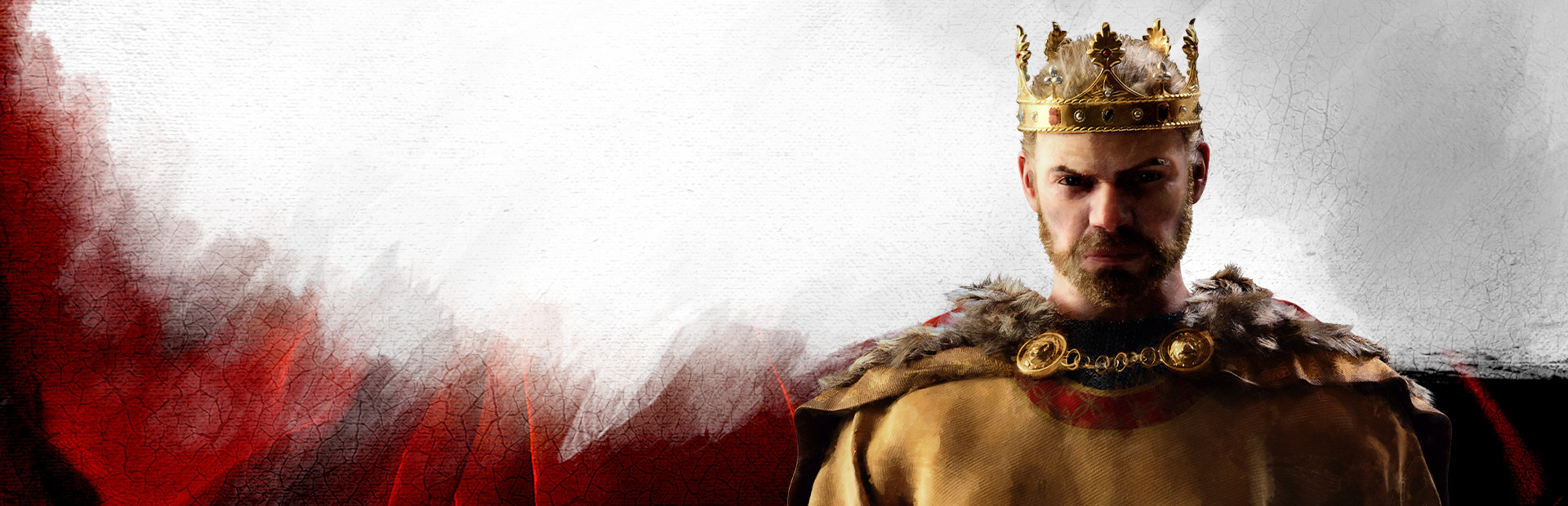
Crusader Kings III lets you play as the head of a noble dynasty anywhere on its medieval map, managing marriages, wars, succession, and religion across generations. Along the Silk Road corridor specifically, you can play as a nomadic Central Asian clan leader — such as a Khazar khagan or Seljuk chieftain — or as a settled Persian emir, giving you two very different ways to experience the same trade-route region.
On the road
Silk Road & regional elements
- Nomadic Central Asian rulers (Khazars, early Seljuks, and other steppe clans) use distinct tribal government mechanics, including migration, herd-based economy, and raiding, instead of the feudal systems used by settled European or Persian rulers.
- Persian emirs and other Western Asian rulers sit at the crossroads of three major religions in the game — Islam, Christianity (including Nestorian Christianity, historically strong along the Silk Road), and Zoroastrianism — with realistic conversion, tolerance, and holy war mechanics.
- Trade along the Silk Road isn’t a separate minigame; it’s woven into the county-level economy, so controlling key trade cities and routes directly increases a ruler’s income and diplomatic weight, similar to how real Silk Road control translated into real medieval wealth and power.
- Steppe factions can convert to Tengrism, the historical religion of many Central Asian nomads, giving players a way to roleplay pre-Islamic steppe culture rather than defaulting every nomad faction to Islam or Christianity.
Simple rating
Historical & cultural accuracy
Reader path
Why you might like it
- You want to become a Silk Road ruler — nomad khan or Persian emir — not just read about one.
- You like games where religion, marriage, and succession matter as much as war.
- You’re curious how tribal steppe government differs mechanically from settled feudal rule.
- You want a genuinely open sandbox instead of a fixed historical storyline.
Watch, read, buy & follow
Official links
All viewing and purchase links go to official publishers, stores, and streaming platforms. Reference databases are clearly labelled. No pirated copies, no shady sites — just direct paths to support the creators.
Paradox official game page for Crusader Kings III
Game overview, features, media, add-ons, and current platform information.
Paradox official game page for Crusader Kings III Buy · PCBuy Crusader Kings III
Official Paradox purchase page for the PC edition and available bundles.
Buy Crusader Kings III Official · ConsoleConsole edition for Crusader Kings III
Official Paradox information for the Xbox Series and PlayStation 5 editions.
Console edition for Crusader Kings III Store · PCSteam store for Crusader Kings III
Official PC store page with editions, add-ons, requirements, and reviews.
Steam store for Crusader Kings III Official wikiCrusader Kings III Wiki
The official Paradox wiki for systems, updates, cultures, religions, and modding.
Crusader Kings III Wiki Official · NewsParadox news for Crusader Kings III
Official development news, update notes, and expansion announcements.
Paradox news for Crusader Kings IIILinks checked July 2026 · Reviewed every quarter for availability and publisher changes.
Keep travelling