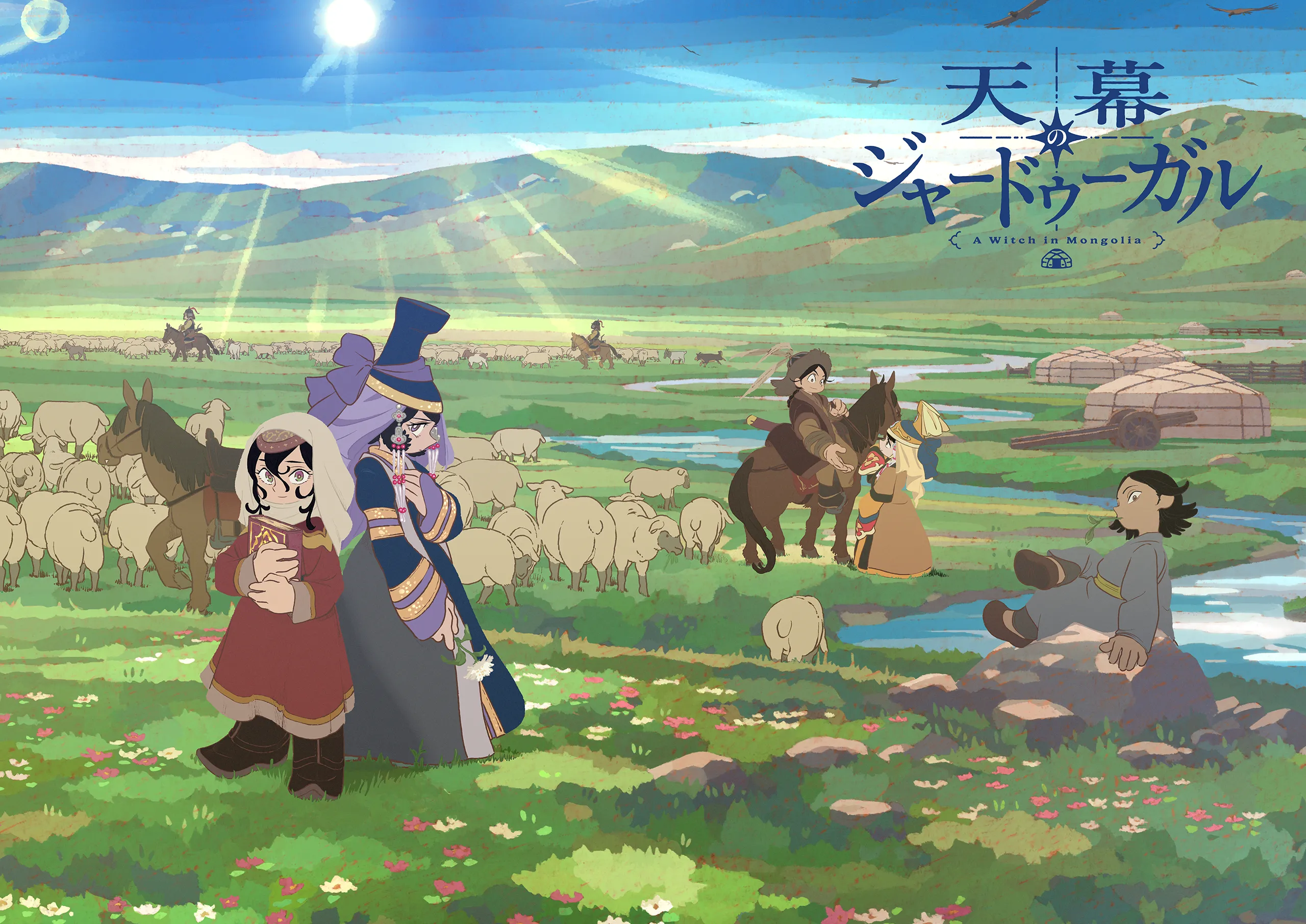
The work in brief
Overview
In 13th-century Tus in eastern Iran, slave girl Sitara is taken into the household of a scholar’s widow, Fatima, where she works and studies, learning to treat “knowledge” as her only weapon. When the Mongol Empire under Chinggis Khan expands into her city, Tolui’s army destroys her home and drags her into captivity, thrusting her into the harem politics of Yeke Mongol Ulus.
Renaming herself Fatima, she eventually serves the wives of Tolui and Ögedei — including sixth wife Töregene — and decides to use “知恵” and imperial intrigue to collapse the empire from within, teaming up with another woman who also lost everything to Mongol conquest.
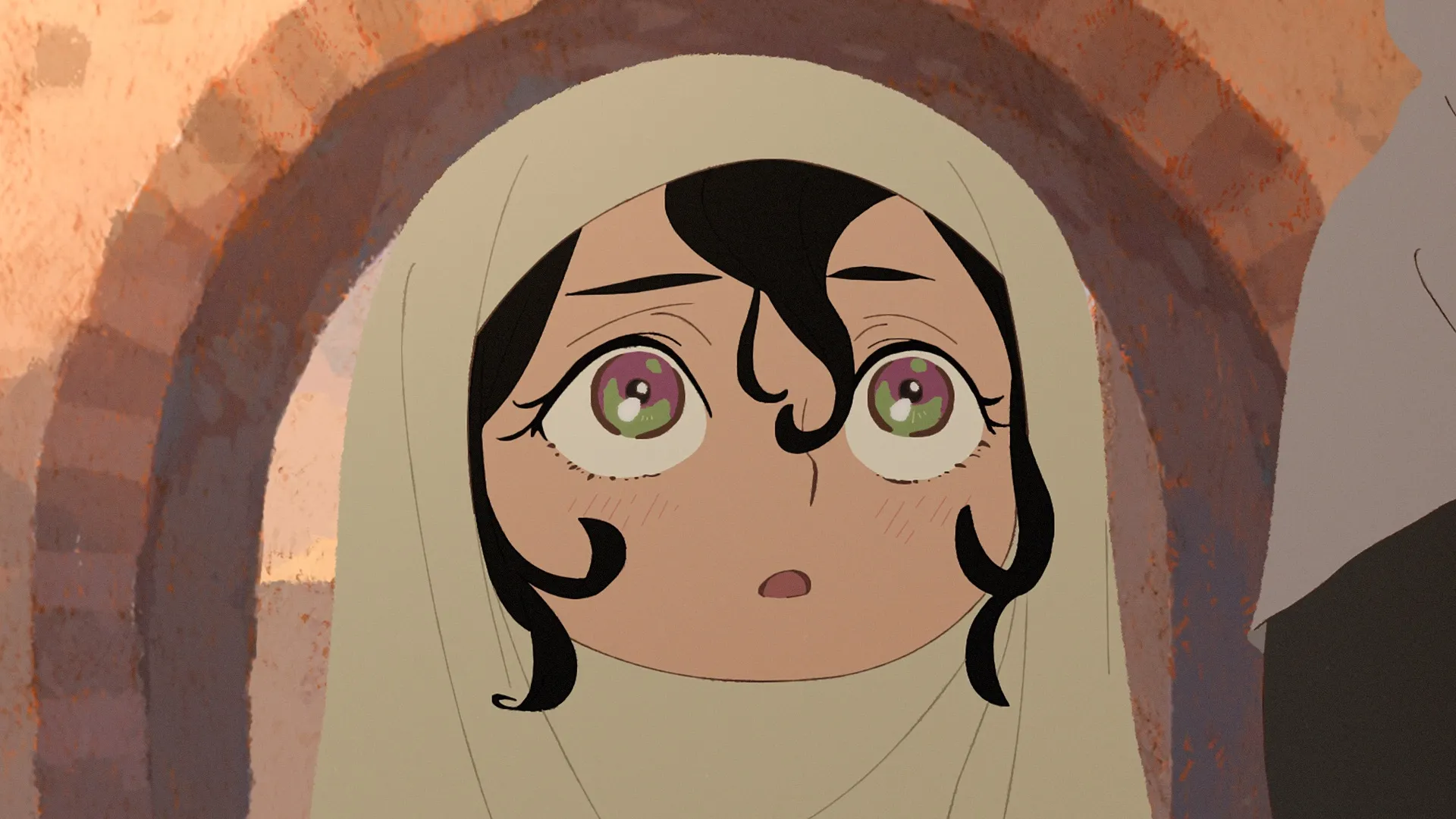
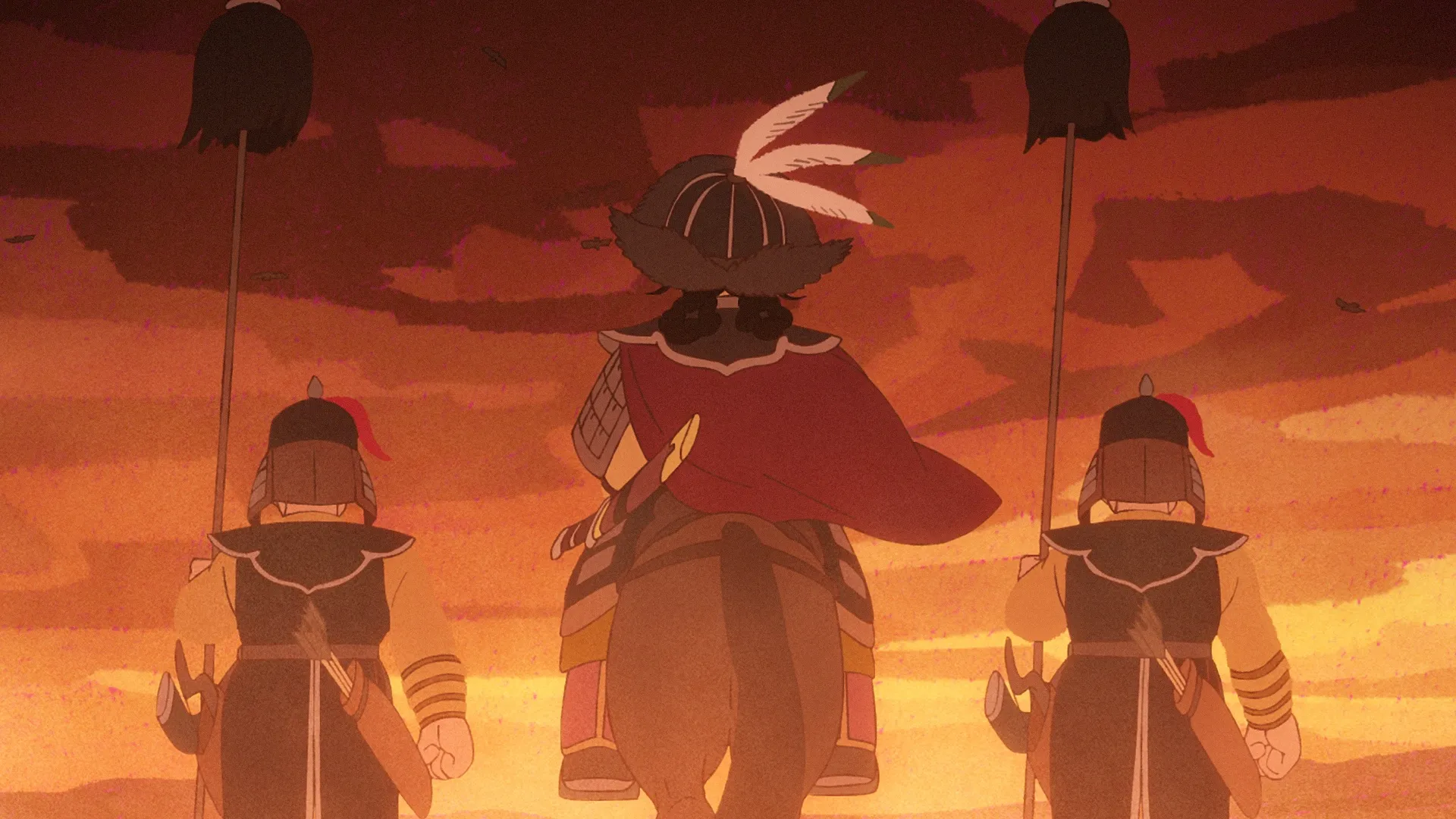
©トマトスープ(秋田書店)/天幕のジャードゥーガル製作委員会
On the road
Silk Road & regional elements
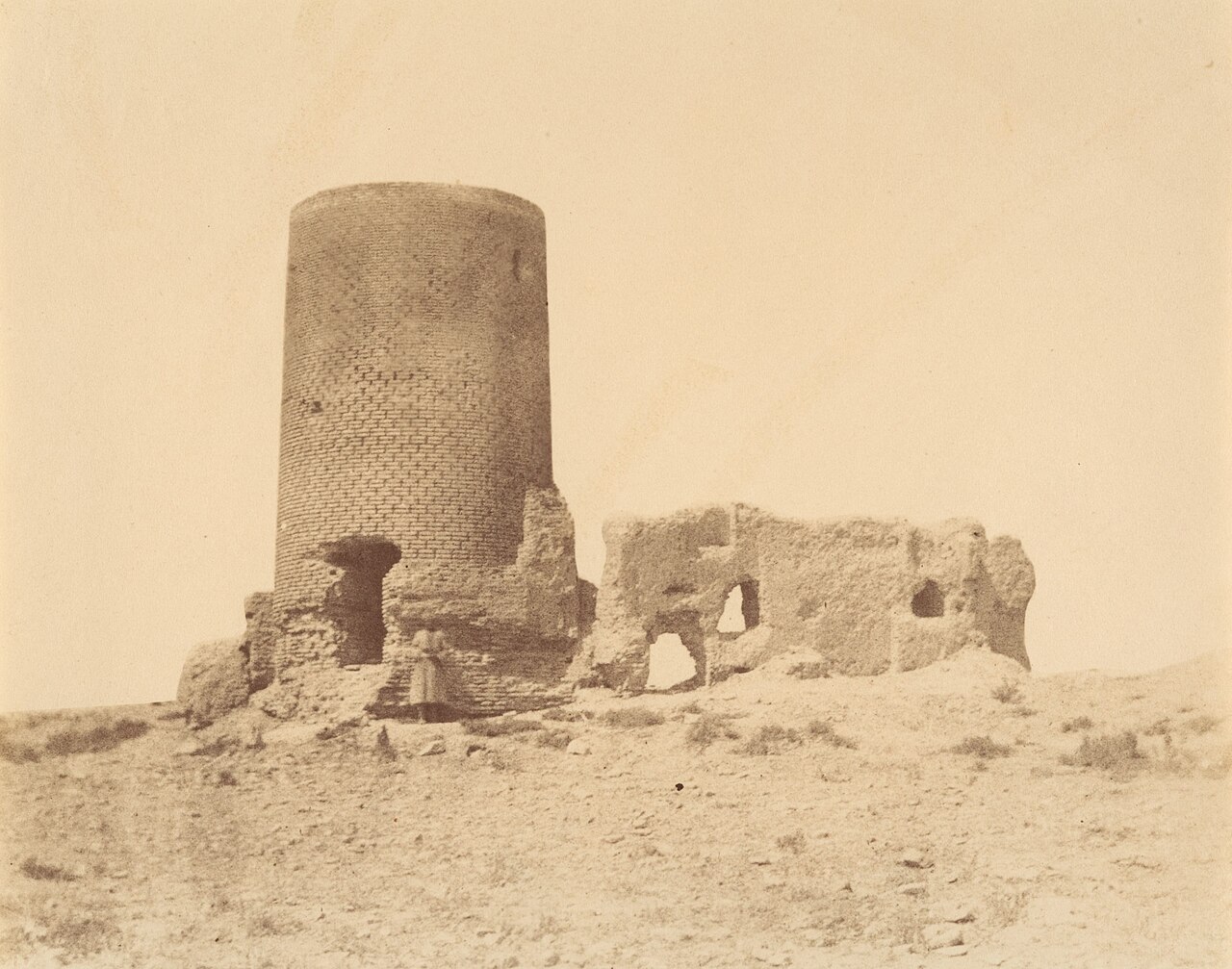
- The story starts in Tus, a real town in northeastern Iran that historically sat on major overland routes between Persia and Central Asia, and later moves into the Mongol imperial heartland.
- Sitara’s journey (Tus → captivity → Mongol capital) mirrors one actual path along the Silk Road, from a scholarly Persian city into the steppe-based Yeke Mongol Ulus.
- Scholar households, slave markets, and book collections like Euclid’s Elements reflect the real intellectual and commercial life of 13th-century Iran, where Greek and Islamic science texts circulated widely through trade and translation networks.
- The anime’s palace setting uses real Mongol court structures and names: Chinggis Khan, his sons Jochi, Chagatai, Ögedei, Tolui, and powerful women like Töregene are all drawn directly from Mongol imperial history.
Explore the route
Tus to the Mongol imperial heartland
Drag to travel · tap a marker for context
Indicative reading map, not a reconstruction of one documented journey. Place names use familiar modern English forms.
Simple rating
Historical & cultural accuracy
Reader path
Why you might like it
- You want a serious Silk Road / Mongol Empire story told from the perspective of women who use knowledge and court intrigue, not battlefield heroics.
- You’re interested in how 13th-century Persian cities, slave markets, and scholarly households actually looked and felt — with Mongol invasion as a real historical pressure, not just a villain trope.
- You enjoy political drama: conflicts between different branches of the royal family, shifting alliances in the harem, and the “strongest empire on earth” facing internal cracks.
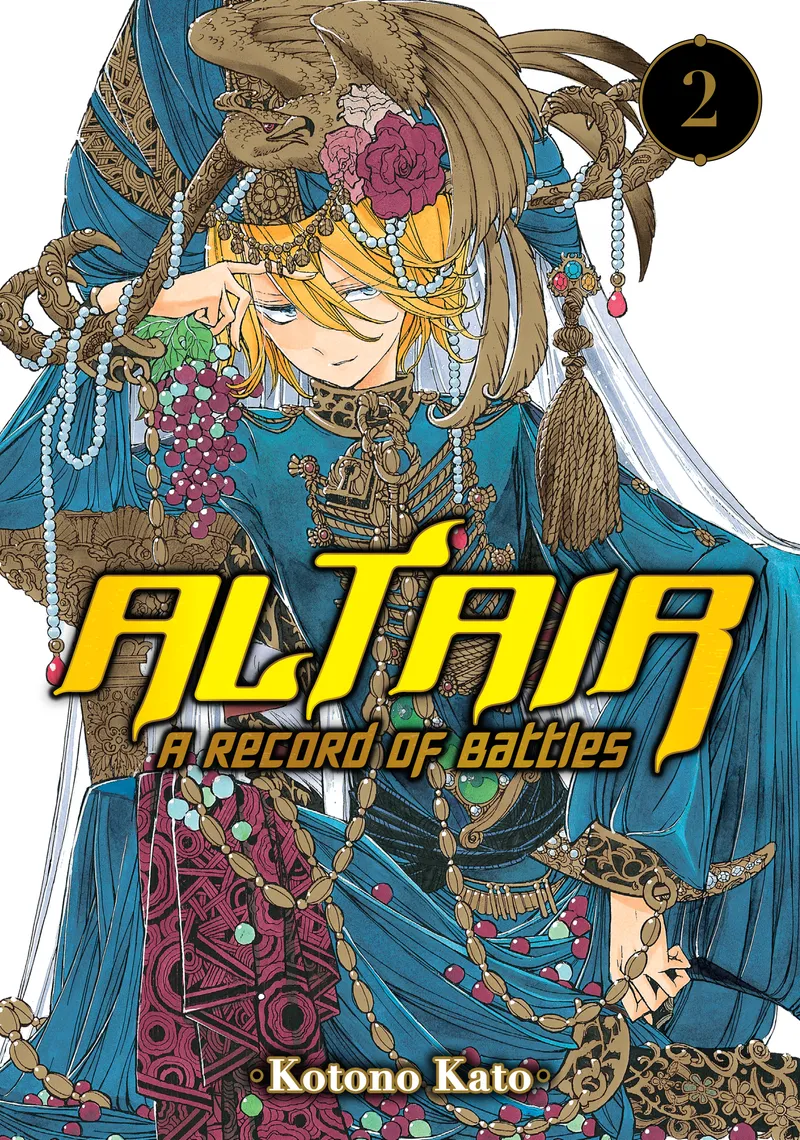
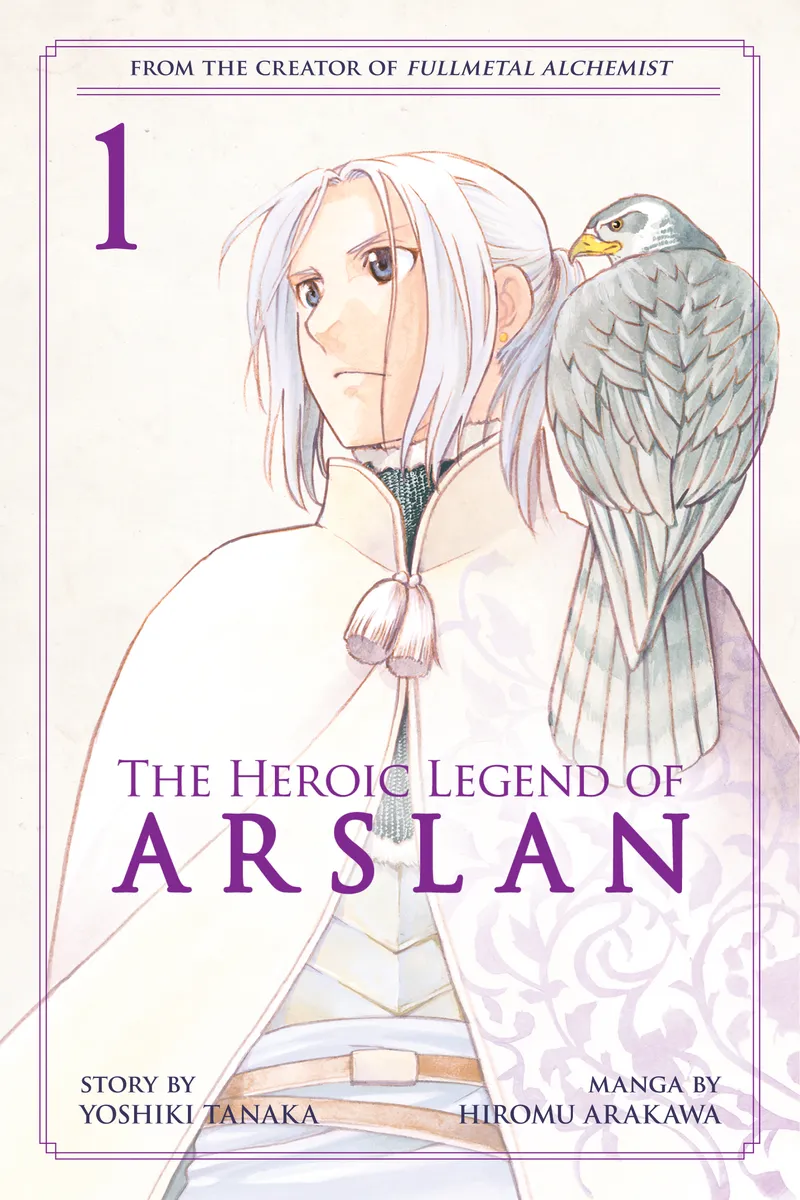
- You’re looking for a gateway into deeper Silk Road media like A Bride’s Story, Altair, Arslan, or strategy games that cover similar regions and eras.
Watch, read, buy & follow
Official links
All viewing and purchase links go to official publishers, stores, and streaming platforms. Reference databases are clearly labelled. No pirated copies, no shady sites — just direct paths to support the creators.
Official anime site — English for 天幕のジャードゥーガル
The official multilingual series introduction, staff information, broadcast news, and international updates.
Official anime site — English for 天幕のジャードゥーガル Official socialOfficial X account for 天幕のジャードゥーガル
New key visuals, broadcast reminders, event information, and comments from the production team.
Official X account for 天幕のジャードゥーガル Broadcaster · JPTV Asahi programme page for 天幕のジャードゥーガル
Japanese broadcast details, the current episode schedule, and domestic channel information.
TV Asahi programme page for 天幕のジャードゥーガル Anime databaseMyAnimeList for 天幕のジャードゥーガル
Series overview, episode information, community lists, and user ratings.
MyAnimeList for 天幕のジャードゥーガル Production databaseIMDb for 天幕のジャードゥーガル
International production information, cast credits, and episode reference.
IMDb for 天幕のジャードゥーガル Publisher · JPOriginal manga — Akita Shoten for 天幕のジャードゥーガル
Official Japanese volume information, release dates, sample material, and purchase links.
Original manga — Akita Shoten for 天幕のジャードゥーガルLinks checked July 2026 · Reviewed every quarter for availability and publisher changes.
Jaadugar companion collection
Mongol Empire & Silk Road
Historical maps, clear context, and independent creative tools for exploring 13th-century Iran and the Mongol world.
View the full companion collectionWall Poster
13th-Century Mongol Empire & Silk Road Historical Map
A detailed historical map of the early Mongol Empire and the Silk Road routes across Iran and Central Asia. It marks key cities, imperial centers, and trade corridors so you can see how peaceful towns like Tus ended up under “地上最強の帝国.”
Use it as wall art in your room or study, or as a reference when thinking about any story set in 13th-century Persia and the Mongol world.
Free PDF Guide · Email Opt-In
Mongol Empire & 13th-Century Iran Explained for Anime Fans
A short, visual PDF that explains the real history behind 13th-century Iran and the Mongol expansion:
- Simple timeline from Persian slave markets to Mongol conquest.
- Basic Mongol succession chart (Chinggis Khan and his sons).
- Everyday life in Persian scholar households and cities like Tus.
Perfect if you want context for any Mongol-era anime or manga. Available free when you join the mailing list.
Digital Toolkit · PDF & Prompts
Witches of Empire: Mongol Court & Silk Road Worldbuilding Toolkit
A worldbuilding pack for writers, TTRPG Game Masters, and AI artists who want to create their own stories in a Mongol-era Silk Road setting. Includes:
- Court and harem power structures (who actually controls the empire).
- Character archetypes inspired by historical figures (slave-turned-strategist, powerful khatun, scholar healer).
- Map sketch templates for cities, camps, and trade routes.
- Ready-to-use AI image prompts for Mongol tents, Persian streets, and caravan scenes.
Designed to work with any historical or fantasy project—whether or not you’ve seen a specific series.
All products are independent historical and creative tools. They are not licensed or endorsed by any anime, manga, or game publisher; specific titles are mentioned only in editorial context.
Keep travelling